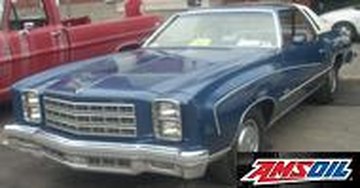
Lubrication Maintenance for the 1982 Chevrolet IMPALA 5.7L Diesel
Maintaining a diesel engine requires a disciplined approach to fluid management and regular inspections. For the 1982 Chevrolet IMPALA equipped with the 5.7L diesel engine, consistent attention to lubrication and cooling systems is essential for long-term operational stability. Because diesel engines operate under different thermal and mechanical stresses than gasoline counterparts, following a structured maintenance routine helps ensure that all components remain properly lubricated and protected from unnecessary wear.
Monitoring Fluid Integrity and Potential Leaks
One of the most effective ways to monitor the health of a 5.7L diesel engine is through regular visual inspections for fluid integrity. Over time, various seals and gaskets may experience changes in their ability to contain fluids. When performing routine checks, it is useful to look for signs of seepage or active leaks around the engine block and accessory mounting points.
If you notice any accumulation of oil or other fluids, it warrants a closer investigation. A small amount of seepage might be manageable, but an active drip can lead to significant fluid loss if not addressed. Additionally, checking the appearance of the lubricant itself is a helpful diagnostic step. If the oil appears excessively dark, gritty, or contains visible particulates, this may indicate that the lubrication has been compromised by contaminants or that the service interval has been exceeded. Always keep an eye on the level of fluids during every inspection to catch potential issues before they escalate into mechanical concerns.
Managing Engine Components and Aging Materials
As vehicles age, the materials used in various engine-related systems can undergo changes. For a 1982 model, it is practical to adopt a condition-based approach to maintenance rather than relying solely on the age of the vehicle. This means inspecting components based on their actual physical state during every service interval.
If equipped, inspect all accessible drive belts for signs of deterioration such as cracking, glazing, or fraying. Similarly, if the vehicle is present with various rubber hoses, check them for softness, swelling, or brittleness. These components are vital for maintaining proper engine temperatures and accessory operation. Furthermore, inspecting electrical connections and wiring harnesses for corrosion or fraying can prevent intermittent issues. By addressing these aging materials as they show signs of wear, you can maintain a more stable operating environment for the 5.7L diesel engine.
Observing Operational Warning Signs
Drivers should remain attentive to how the vehicle behaves during operation. While many mechanical issues develop slowly, certain symptoms serve as important indicators that something requires professional attention. For example, an unusual noise coming from the engine compartment may be associated with various mechanical changes and should not be ignored.
Changes in exhaust characteristics can also be telling; if you notice a significant change in the color or density of the exhaust smoke, it is advisable to have the engine inspected. Furthermore, any unexpected warning lights on the dashboard or sudden changes in how the engine responds to throttle inputs should be investigated immediately. It is important to remember that these symptoms can have multiple causes, ranging from simple sensor issues to more complex mechanical requirements, so a thorough diagnosis is always the best course of next step.
Establishing a Reliable Maintenance Baseline
For owners of a 1982 Chevrolet IMPALA, especially if the full service history of the vehicle is unknown, establishing a maintenance baseline is a priority. This involves performing a comprehensive inspection to determine the current state of all vital systems. If you do not have access to detailed records of previous repairs or fluid changes, starting with a fresh round of essential services can provide a known starting point for future monitoring.
Once a baseline is established, keep a dedicated log of all completed maintenance tasks, including the dates and details of any parts replaced. This documentation allows you to track how often certain components are being serviced and helps in identifying patterns of wear or consumption. Having a clear history makes it much easier to distinguish between normal aging and unexpected changes in engine behavior.
Prioritizing Service Tasks Based on Condition
Effective maintenance is about directing resources toward the areas that need them most. Rather than attempting to replace every aging component at once, focus on addressing active concerns first. If an inspection reveals a minor leak or a belt that is beginning to show surface cracking, these should be prioritized over purely cosmetic or non-essential repairs.
Monitoring changes in fluid consumption is another critical way to prioritize tasks. If you find that you are needing to top off fluids more frequently than in previous months, this change in behavior should move to the top of your maintenance list. By distinguishing between preventive maintenance—tasks done to keep things running smoothly—and reactive repairs—tasks done to fix something that has already begun to fail—you can manage the upkeep of the 5.7L diesel engine more efficiently.
Practical Guidance for Buying Engine Oil for the 1982 Chevrolet IMPALA 5.7L
When it is time to replenish or change your lubricant, accuracy in selection is paramount. To ensure the longevity and proper operation of your engine, you must match the oil to the specific requirements of your application. Do not rely on general automotive knowledge or assumptions based on the vehicle's age to select a grade.
Always refer to the application-specific viscosity and lubricant information provided on this webpage to guide your purchase. When selecting a product, check the label carefully to ensure it meets the necessary standards for your specific engine. You may choose between various formulations, such as conventional, synthetic blends, or full synthetic oils, depending on what is listed in your vehicle's application data. Some high-mileage oil formulations also contain additives intended for use in aging engines, which may be a consideration if your engine shows signs of significant wear. Ultimately, the most important step is to verify that the product you are buying aligns exactly with the viscosity and specifications shown in the technical information above.